
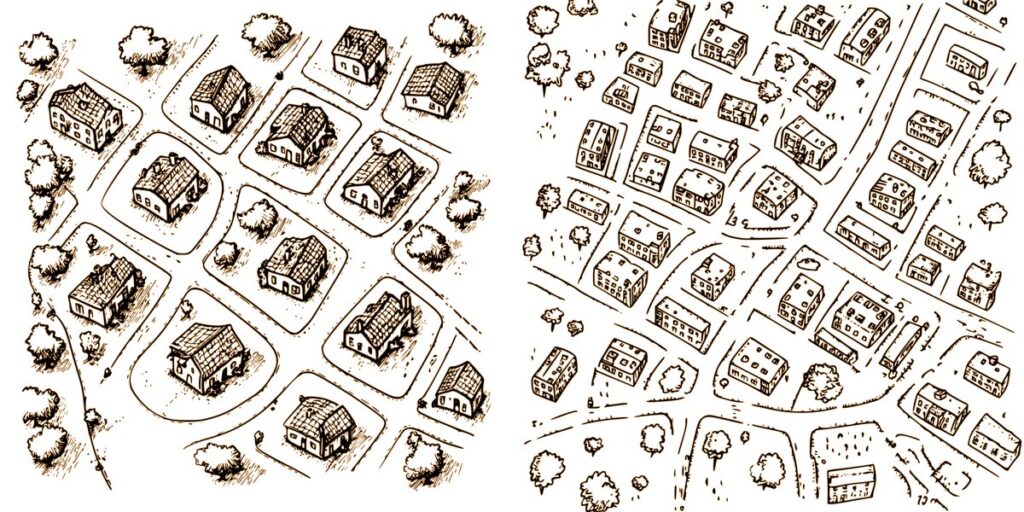
Nestled on the southern hills of Yonkers, Park Hill is a neighborhood where every street whispers stories of the past. Affectionately known by locals as “the suburb in the city,” Park Hill’s winding lanes, historic homes, and community spirit make it a jewel among Yonkers’ storied areas. To understand what makes Park Hill so special, you only need to stroll along its leafy avenues and listen carefully to the echoes of history embedded in every brick and cobblestone.
The Origins: From Farmland to An Urban Escape
In the late 19th century, most of Yonkers was still sprawling countryside, dotted with farms and estate homes. Park Hill’s story begins in the 1880s, when forward-thinking developers saw an opportunity to create a suburban enclave for New Yorkers seeking respite from Manhattan’s bustle. The name “Park Hill” was chosen, fittingly, to reflect both the elevated landscape and the commitment to green, inviting spaces.
Developed primarily by the American Real Estate Company, the neighborhood was carefully designed to stand apart from the grid of the city below. Its curving streets—such as Park Hill Avenue, Undercliff Street, and Rumsey Road—were intentionally mapped to follow the natural contours of the hill, giving the area its distinctive, almost-European character.
A Neighborhood Designed for Beauty and Community
Park Hill was one of the earliest planned suburban developments in Westchester County. The developers wanted Park Hill to embody a harmonious blend of nature, architecture, and community. They offered prospective residents lush landscapes, tree-lined boulevards, and gracious homes. Many houses were custom-built in styles popular at the turn of the 20th century, including Victorian, Colonial Revival, and Arts & Crafts.
It wasn’t long before Park Hill established itself as an address of distinction. The neighborhood especially appealed to professionals commuting to New York City, who could take advantage of the quick train ride from the nearby Ludlow station. The area remained relatively exclusive well into the first half of the 20th century, attracting artists, writers, and entertainers—some drawn by the nearby Hudson River’s inspiring vistas.
Key Historical Milestones
- 1888: The Park Hill Association was founded, making it one of the oldest continuous neighborhood associations in the country. This group played a key role in shaping community life, organizing events, and advocating for residents’ interests.
- Early 1900s: The Park Hill Racquet Club (later the Park Hill Tennis Club), located on Van Cortlandt Park Avenue, became a social hub for families interested in tennis, swimming, and gatherings that fostered a close-knit community spirit.
- 1920s–1940s: The neighborhood saw the construction of stately homes, many of which are now designated historic. The era also brought the development of local schools and churches that remain important to Park Hill’s identity.
Landmarks and Points of Pride
Park Hill has preserved much of its architectural splendor. Strolling through the streets, you’ll discover gems that locals treasure:
- The Park Hill Racquet Club: Still in operation, the club is a living relic, its tennis courts and pool humming with activity each summer.
- Victorian and Tudor-Style Homes: Particularly notable along Alta Avenue and Van Cortlandt Park Avenue, where many houses retain original timbering, leaded glass, and mosaic tilework.
- The Historic Park Hill School: Built in the early 20th century, the school building at the corner of Park Hill Avenue and Rumsey Road is a beacon of neighborhood education and civic pride.
- Public Art and Pocket Parks: Scattered throughout Park Hill, these small green spaces and murals celebrate the neighborhood’s history and cultural diversity.
Notable Streets and Institutions
- Park Hill Avenue: The neighborhood’s main artery, lined with mature maple and oak trees. On a fall evening, the street glows golden under the sunset.
- Rumsey Road: Known for its sweeping views toward the Hudson River, dotted with gracious homes and well-tended gardens.
- Van Cortlandt Park Avenue: Home to the Park Hill Racquet Club, this storied street has long played host to social life and neighborhood events.
- Neighborhood Churches: Institutions like St. John’s Episcopal Church and Sacred Heart High School have contributed to Park Hill’s sense of belonging.
Evolution Through the Decades
While some suburban neighborhoods faded into anonymity, Park Hill thrived by blending tradition with adaptation. Its proximity to Manhattan ensured a steady influx of new residents—young families, creative souls, and professionals alike. In the post-war era, the neighborhood saw demographic shifts that brought new cultures and flavors to local life.
During the 1970s and 1980s, Park Hill became a beacon of diversity, welcoming Caribbean, Irish, Italian, and African American families. This vibrant mix is reflected in everything from neighborhood festivals to the scents wafting from home kitchens. Block parties, parades, and community clean-ups became annual traditions, reinforcing bonds among residents.
Park Hill Today: Community and Character
Today, Park Hill is a microcosm of what Yonkers does best—celebrating heritage while embracing the future. Residents remain fiercely proud of their roots, with the Park Hill Residents’ Association still organizing events like spring clean-ups, holiday parties, and historical lectures.
Each autumn, neighbors flock to Bregano Park—a beloved local green space—where pumpkin painting and harvest celebrations fill the air with laughter. You might also see joggers on Park Hill Avenue, kids riding bikes along Rumsey Road, or a pop-up art fair at the Racquet Club.
Park Hill’s homes, many over a century old, stand as living museums to the neighborhood’s enduring charm. Even as prices rise and renovations modernize their interiors, the lovingly-kept gardens, front porches, and historic facades signal a commitment to the past.
For those lucky enough to call Park Hill home—or for visitors seeking a walk through Yonkers’ history—the neighborhood is a treasure trove of memories, culture, and community ties. Every corner, from school yard to stoop, carries the warmth of generations who have made Park Hill not just a place to live, but a place to belong.